
Visiting Morocco During Ramadan: The Ultimate Guide for 2026 & 2027
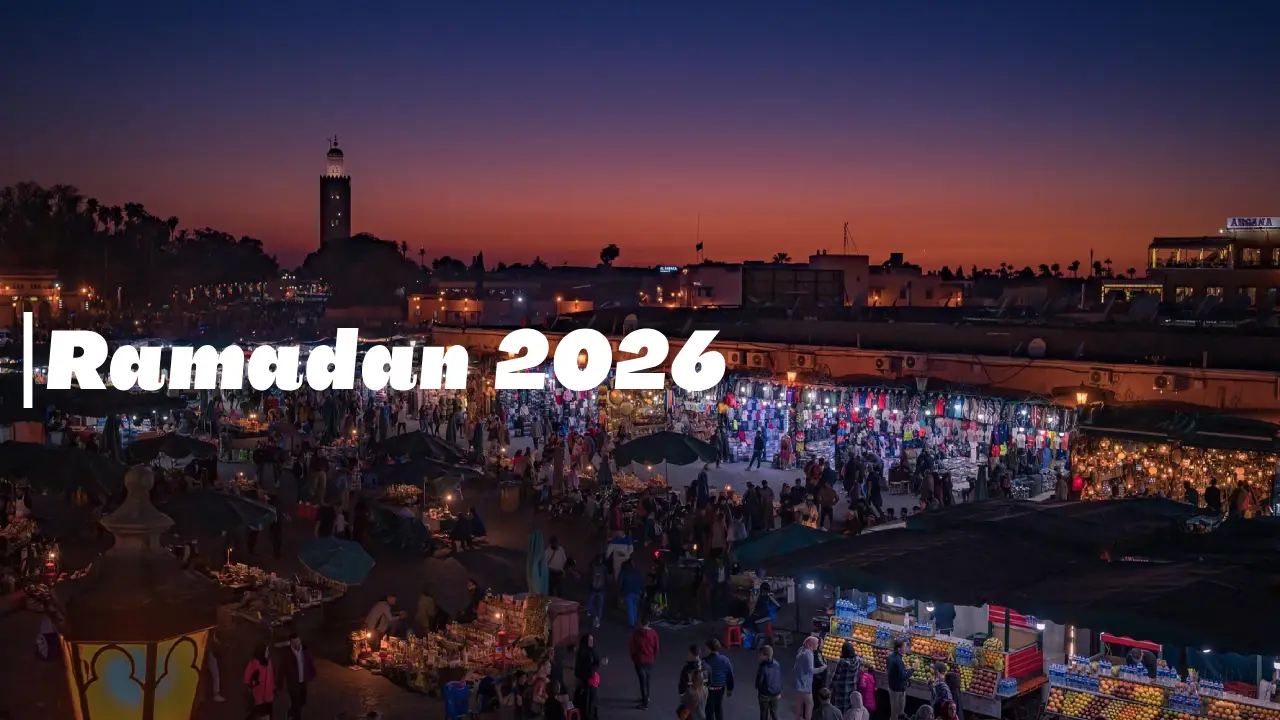
If you’re thinking about visiting Morocco during Ramadan, you’re probably picturing empty streets, everything closed, and no food in sight until sunset. The reality is very different.
By day, the country slows down into a quiet, almost dreamlike rhythm. You’ll notice a soft hush in the medinas, fewer cars on the roads in the late morning, and a kind of collective patience as people move through their fasting day. But after sunset? The whole country flips. The air smells of fresh bread and harira soup, families rush home, mosques fill, and the streets light up with an electric energy that you just don’t see at any other time of year.
As a Moroccan, a practicing Muslim, and a licensed tour guide who has been leading private guided tours in Morocco for more than 20 years, I can tell you this: visiting Morocco during Ramadan is one of the most authentic, memorable ways to experience this country—if you come prepared and with the right expectations.
Should You Travel to Morocco During Ramadan?
Let’s answer the big question directly:
Is it a good idea to visit Morocco during Ramadan?
From my experience: Yes—if you’re interested in culture, slower travel, and real local life.
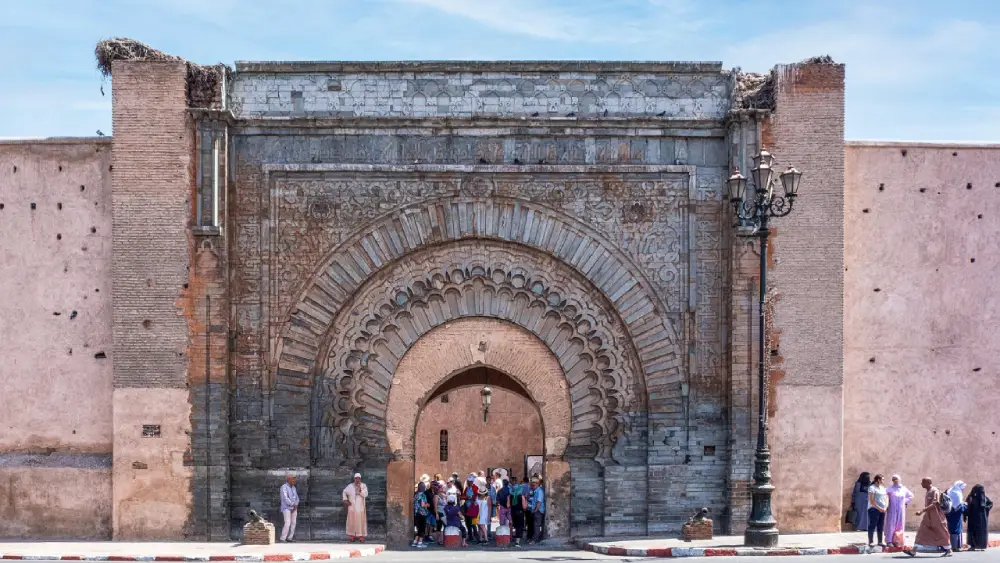
Ramadan is a holy month of fasting (sawm), reflection, and community. From sunrise to sunset, Muslims in Morocco abstain from food, drink (yes, even water), and smoking. But it’s not just about not eating—it’s also about patience, charity, and reconnecting with faith and family.
For you as a traveler, this means:
- You’ll see daily life in Morocco during Ramadan from the inside, not the “tourist show.”
- You’ll be able to join an iftar in Morocco as a visitor and share the moment people break their fast.
- You’ll travel in a country that is calmer during the day and vibrant, almost festive, at night.
There are pros and cons of visiting Morocco in Ramadan:
Pros
- Fewer crowds at many sites (except right before and just after Iftar).
- A more respectful, family-oriented vibe in cities.
- Unique experiences: night prayers, iftar, special sweets, Ramadan nights in the medina.
- People are often extra welcoming when they see you’re genuinely curious and respectful.
Cons
- Some restaurants and cafés are closed during the day.
- Shorter opening hours for monuments and shops.
- Service can be slower—especially close to sunset when everyone is tired and hungry.
- You need to be more careful about cultural etiquette in Morocco during Ramadan.
If you’re the type of traveler who wants clubs, loud bars, and non-stop daytime activity, Ramadan may not be your month. But if you want an immersive cultural experience with a slower rhythm and deeper human connections, it can be magical.
Essential Dates & Logistics for 2026–2027
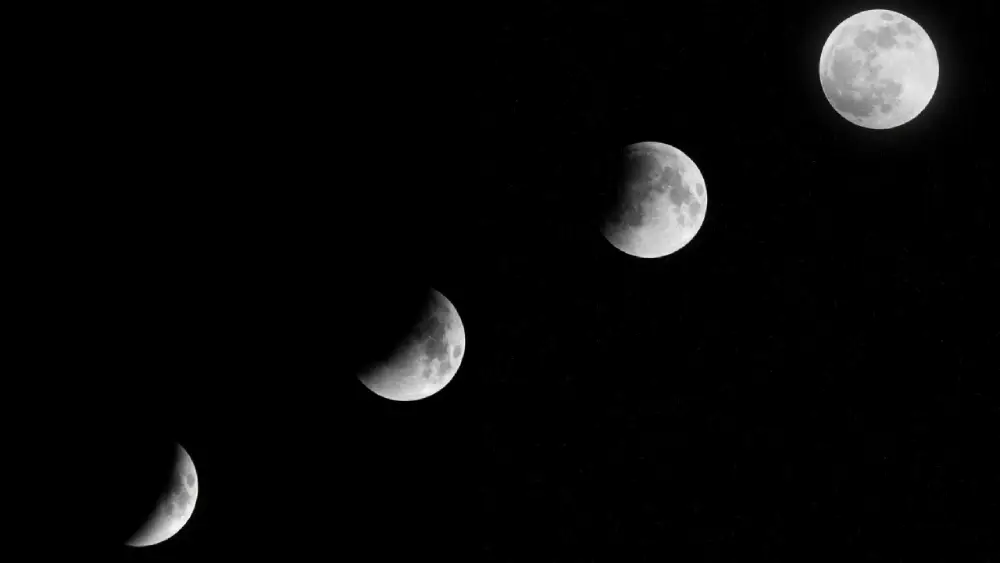
Ramadan follows the lunar calendar, so the dates shift each year and are always “subject to moon sighting.” But here’s what to expect:
Ramadan 2026 (Morocco)
- Estimated dates:
February 19 – March 20 or 21, 2027
Ramadan 2027 (Morocco)
Estimated dates:
February 8 – March 10 or 11, 2027
If you’re planning travel tips for visiting Morocco in Ramadan, always double-check the final confirmed dates closer to your trip.
Time Change: Morocco Shifts to GMT
Here’s a detail many guides forget:
During Ramadan, Morocco moves from GMT+1 back to GMT (clocks go back one hour).
This affects:
- Your flight times (always check if the airline lists local time). Flight and border info.
- Train and bus schedules.
- Tour pickup times—if you book with me at Morkosh Tours, I always confirm everything in local time and remind you about the clock change.
Transport and Opening Hours
A lot of people ask:
“Is Morocco open for tourists during Ramadan?”
Yes, absolutely. The country doesn’t close for tourism.
Trains and buses:
- They continue to run normally, including the high-speed Al Boraq. Train schedules and Ramadan timetables.
- But on‑board catering is usually suspended during fasting hours.
- This is how Ramadan affects transport and opening hours in Morocco: services run, but food and drink options are reduced.
Shops & Monuments:
- Many shops open later in the morning.
- Historical sites may:
- Open around 9:30–10:00
- Close earlier (often by 3:00–4:00 PM)
- Government offices and banks often run reduced hours.
Plan your best places to visit in Morocco during Ramadan around these timings: sightseeing in the morning and early afternoon; evenings for food, walks, and cultural experiences. General travel info and festivals.
The Daily Rhythm: What to Expect Hour-by-Hour
Understanding what to expect in Morocco during Ramadan as a tourist will help you enjoy the experience instead of being frustrated.
Morning: The Slow Start (around 8:00–11:00)
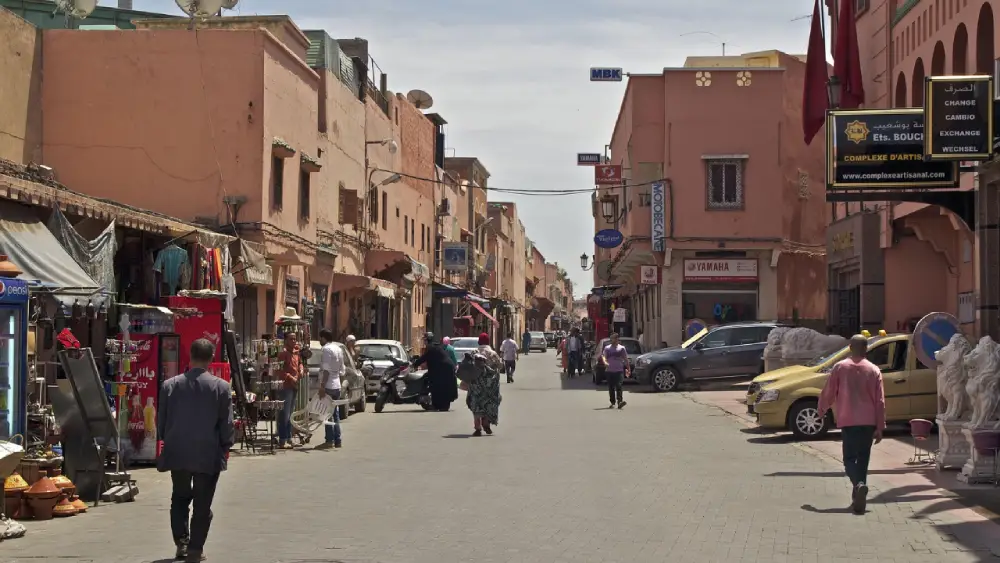
- Streets are quiet.
- Many Moroccans have eaten Suhoor (pre-dawn meal) around 4:00 AM and then gone back to sleep.
- Some bakeries and cafés that cater to tourists may open earlier.
- Great time for:
- Exploring medinas like Marrakech or Fes when they’re not too crowded.
- Visiting big monuments (check specific Ramadan hours).
Midday & Early Afternoon: Productive Window (11:00–15:00)
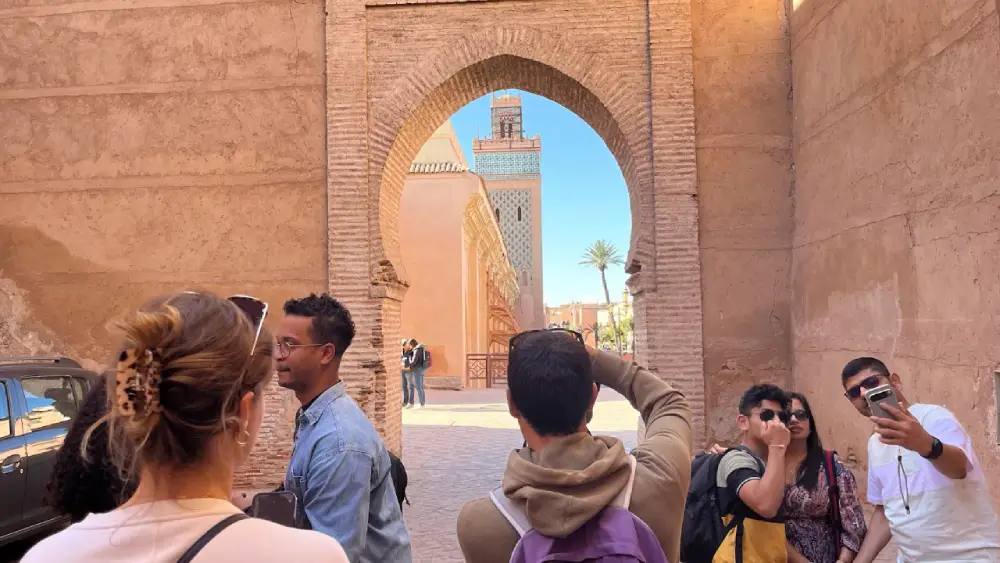
- This is your prime time for:
- Guided tours of medinas and historical sites.
- Short drives between cities.
- People are working, but energy levels start to dip.
- By 2:00–3:00 PM, you’ll feel the pace slowing again.
Late Afternoon: The ‘Hangry’ Rush (15:00–Sunset)
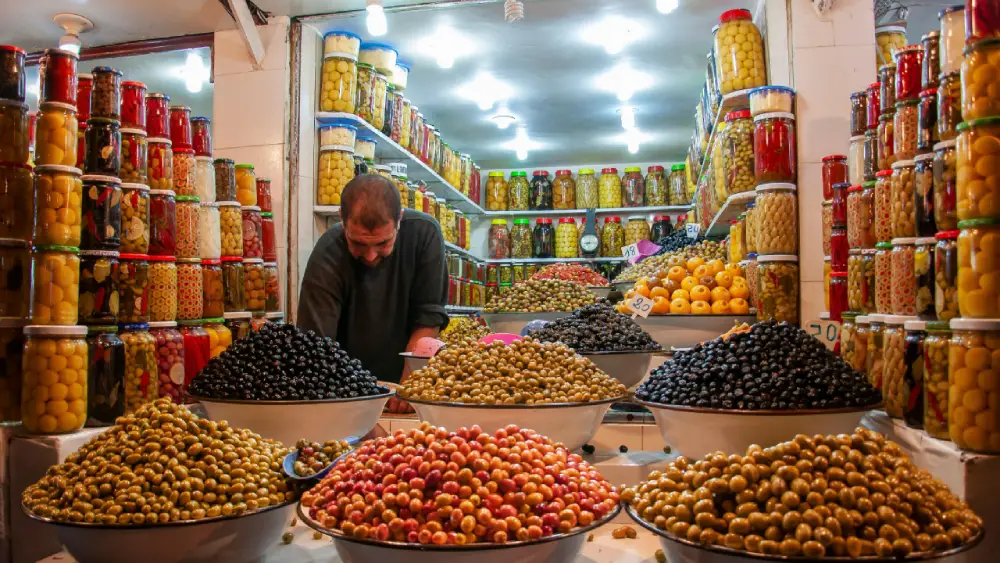
This is the “danger zone” if you don’t like chaos.
- Around 3:00 PM, markets pick up as people shop for Iftar:
- Fresh bread
- Dates
- Harira ingredients
- Chebakia and other sweets
- About an hour before sunset:
- Roads can become hectic.
- Everyone is trying to get home on time.
- Service in cafés or shops may be distracted.
If you’re driving yourself, be extra patient. If you’re with a private driver (like on my tours), I usually plan to arrive somewhere and stop moving at least 45 minutes before sunset.
Sunset: The Signal to Break the Fast
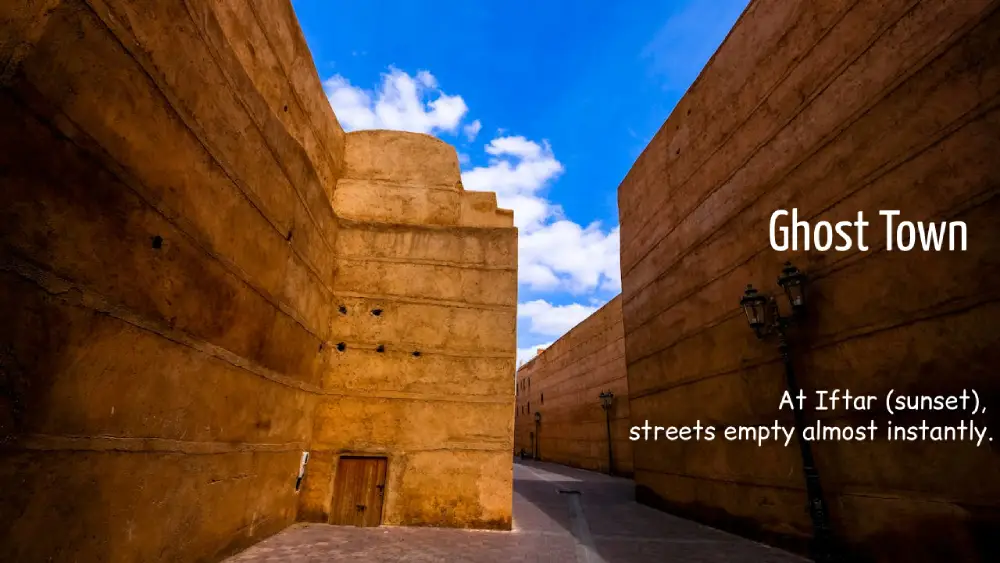
When the sun sets, you’ll often hear:
- The Adhan (call to prayer).
- In some cities: the Medfaa (Ramadan cannon) or sirens/air‑raid‑style horns marking the end of the fast.
In that moment:
- Streets empty in seconds.
- Everyone is sitting around a table, ready to break their fast with:
- Dates
- Milk or juice
- Harira soup
- Sweet pastries like Chebakia
Tourists often ask:
- “Can non‑Muslims join iftar in Morocco?”
Yes. If you’re invited by a family, a riad, or on a tour experience—go. It’s one of the most beautiful, generous moments you’ll share here.
Night: The Awakening
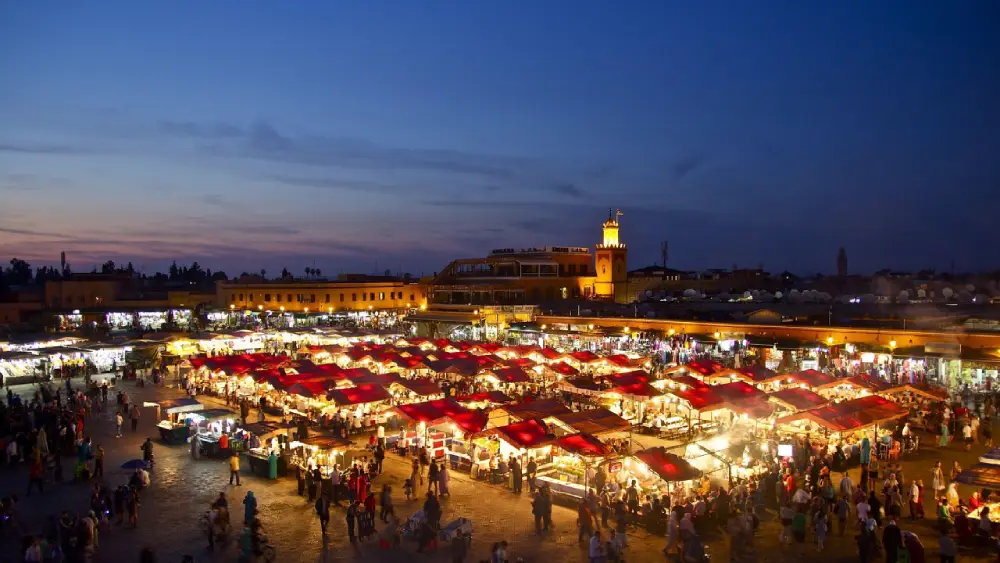
This is my favorite part of what to do in Morocco at night during Ramadan.
After Iftar and evening prayers:
- Streets fill up again.
- People go out for:
- Coffee
- Pastries
- Strolling in the medina
- Mosques host Taraweeh (night prayers), sometimes with hundreds or thousands in attendance.
Places like Jemaa el‑Fnaa in Marrakech or the area around Hassan II Mosque in Casablanca are especially atmospheric at night.
So when you ask “What is nightlife like in Morocco during Ramadan?”
Think less “clubs and bars,” more:
- Families walking together
- Tea houses
- Sweets shops
- Late-night street food
- Spiritual gatherings in mosques
Cultural Etiquette: Being a Respectful Traveler
Let’s talk about what are the rules for tourists in Morocco during Ramadan and is it disrespectful to visit Morocco during Ramadan?
It’s not disrespectful to visit. It’s disrespectful to ignore the context.
Eating and Drinking in Public
Non‑Muslims are not expected to fast. No one minds you eating. What matters is where and how.
- Avoid:
- Eating, drinking, or smoking in the open street during fasting hours.
- Walking through a local market with a visible ice cream or beer in your hand (beer is a no anyway).
- Do:
- Eat in:
- Your riad or hotel
- Tourist‑oriented cafés and restaurants
- Spaces with curtains, partitions, or indoor seating—this is the “private space” rule.
- Eat in:
Many tourist restaurants create private dining areas or use screens so that visitors can eat without putting temptation in front of fasting staff and locals.
Common question:
- “Can you eat in public during Ramadan in Morocco?”
Technically yes in tourist zones, but out of respect, keep it discreet and mostly indoors.
Dress Code
Ramadan or not, Morocco is generally conservative, especially outside of big city centers.
During Ramadan:
- Cover at least:
- Shoulders
- Chest
- Knees
- For women:
- Loose trousers, maxi skirts, longer dresses, and light scarves are appreciated (you don’t need to wear hijab).
- For men:
- Avoid tank tops and very short shorts in medinas and near mosques.
If you’re wondering “What should I wear in Morocco during Ramadan?”, think “smart, light, modest” rather than “beachwear.”
Alcohol
- Liquor stores are closed by law during Ramadan.
- Some supermarkets may restrict alcohol sales.
- Alcohol is still usually available in:
- High‑end hotels
- Certain restaurants with a license
- You may be asked to show a passport to buy alcohol as a non‑Muslim.
If alcohol is important to your trip, Ramadan is not ideal. But many travelers find that the atmosphere easily compensates.
Culinary Highlights: Breaking the Fast
If you love food, you will not be disappointed by visiting Morocco during Ramadan.
Iftar / Ftour: The Evening Meal
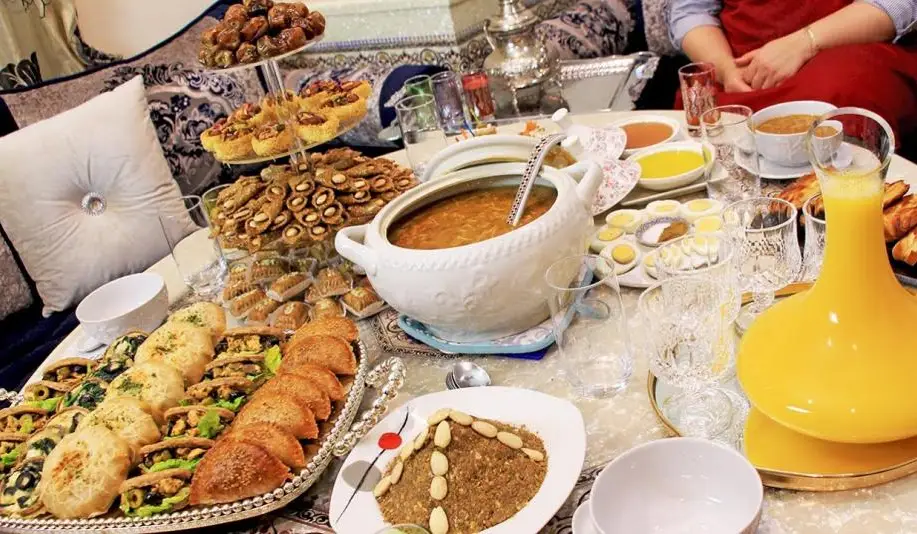
The table at Iftar almost always includes:
- Harira – a rich tomato and lentil soup, sometimes with chickpeas.
- Dates – traditionally the first thing to break the fast.
- Chebakia – flower-shaped sesame cookies deep-fried and dipped in honey.
- Boiled eggs – often sprinkled with cumin and salt.
- M’smen & Baghrir – flaky square pancakes and spongy “thousand hole” pancakes.
- Fresh bread, olives, and sometimes:
- Briouates (stuffed pastries)
- Juice or sweetened milk drinks
Joining this meal is one of the best ways to experience daily life in Morocco during Ramadan.
Suhoor: The Pre‑Dawn Meal
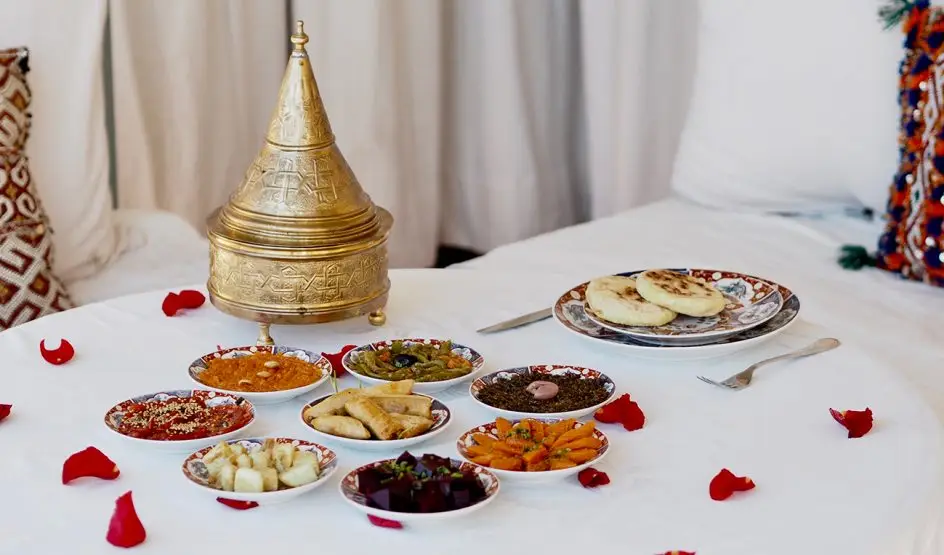
Around 3:30–4:00 AM, many families wake up for Suhoor:
- Simple foods: bread, cheese, olives, dates, maybe leftover harira.
- In some older neighborhoods, you might still hear the Nafar—a town crier walking and blowing a horn or calling people to wake up.
You don’t need to wake up for Suhoor as a tourist, but if your riad offers it and you’re curious, it’s a special experience.
Best Places to Eat During Ramadan
- Traditional riad iftar – Many riads in Marrakech, Fes, and Chefchaouen offer special Ramadan dinners. Book ahead.
- Jemaa el‑Fnaa (Marrakech) – After sunset, food stalls come alive. Go with a guide if you’re unsure where to start.
- Local pastry shops – Around sunset, they’re packed with trays of Chebakia and Ramadan sweets.
If you’re thinking about morocco ramadan travel guide for non muslims, put “experience at least one family or riad iftar” at the top of your list.
City Spotlights: Where to Be and When
Here’s how visiting Marrakech during Ramadan, visiting Fes during Ramadan, and other key cities feels in practice.
Marrakech
- More lenient and tourist-friendly.
- Many restaurants in the medina and Gueliz stay open for visitors (with some adjustments).
- Rooftop bars and terraces remain popular, but may open later or be quieter during the day.
- At night:
- Jemaa el‑Fnaa fills with storytellers, musicians, and food stalls.
- Great place to see what changes for tourists in Morocco during Ramadan: slightly calmer days, buzzing nights.
Check out tours starting from Marrakech
Fes
- More traditional and spiritual than Marrakech.
- The Fes el‑Bali medina feels deeply atmospheric at Ramadan:
- Narrow alleys, old mosques, the echo of the call to prayer.
- Perfect for:
- Watching people prepare for Iftar.
- Experiencing Taraweeh prayers from outside a mosque (stand respectfully at a distance).
- Many travelers say visiting Fes during Ramadan is like stepping back in time.
Tangier
- Coastal city with a mix of Moroccan and European influences.
- Quieter during the day; many people rest or work shorter hours.
- In the evening:
- The Corniche (seafront) is full of families walking and enjoying the cool air.
- The Kasbah area stays charming and less chaotic than Marrakech.
Casablanca
- Not always top of tourist lists, but Ramadan nights at Hassan II Mosque are powerful.
- Thousands gather for night prayers.
- The area around the mosque and the sea becomes a social hub after Iftar.
Tours from Casablanca to the Sahara and imperial cities
The Sahara Desert
Many people ask about visiting the Sahara desert during Ramadan.
- Yes, it’s possible and can be incredible:
- Clear skies
- Quiet dunes
- Camp Iftar under the stars
- But:
- Temperatures can be hot during the day.
- Your Berber guides and drivers will be fasting, which is tiring in the sun.
- My advice:
- Keep days shorter.
- Ride camels closer to sunset (less heat, and your guide has energy for the important part of the day).
- Choose a reputable operator who plans well for Ramadan (at Morkosh Tours, we adjust timings and breaks carefully).
Pro Tips for a Smooth Ramadan Trip
Let’s turn this into a real morocco ramadan travel guide for non muslims with concrete advice.
1. Book Evenings in Advance
- Rooftop restaurants with sunset views in Marrakech, Fes, and Casablanca fill up quickly during Ramadan.
- If you want:
- A special Iftar
- A terrace table for sunset photos
- A night-time food tour
→ Book a week or more in advance, especially on weekends.
2. Stock Up the Night Before
Remember that is everything closed during the day in Ramadan in Morocco? No—but options are reduced.
- Buy:
- Water
- Snacks
- Simple breakfast items
in the evening for the next day.
- Some small grocery stores won’t open until late afternoon.
3. Watch Your Cash
- ATMs in busy tourist zones sometimes run out of cash on:
- Thursday night
- Friday
- Before holidays (especially Eid)
- Withdraw earlier in the week or in central areas.
4. Be Patient and Flexible
- Service may slow down:
- Late afternoon (everyone is low-energy and hungry)
- Right after Iftar (staff also need to eat and pray)
- When you ask “Is it safe to travel to Morocco during Ramadan?”, the answer is yes—but it’s “slow travel.”
Build in buffer time between activities.
5. Use a Guide / Driver When It Helps
Can you travel independently? Of course.
But during Ramadan, a local guide or private driver is especially useful when:
- You’re unsure which restaurants will be open.
- You want to experience joining an iftar in Morocco as a visitor.
- You don’t want to worry about driving in the pre‑Iftar traffic rush.
- You want help understanding what changes for tourists in Morocco during Ramadan day by day.
On my private tours with Morkosh Tours, I adjust start times, rest breaks, and meal planning specifically for Ramadan so you don’t have to think about it.
What to Pack for Morocco in Ramadan
A quick packing list for Morocco during Ramadan:
Clothing
- Light, breathable long pants or skirts
- Loose shirts/tops with sleeves
- A light scarf or shawl (great for both women and men in windy or cooler nights)
- A light jacket or sweater for evenings (February–March nights can be cool), February and March weather in Morocco.
Practical Items
- Refillable water bottle (for before/after fasting hours)
- Small backpack or day bag
- Sunglasses, hat, sunscreen (even in March, sun can be strong)
- Hand sanitizer and tissues (public bathrooms can be basic)
Extra Helpful
- Earplugs (if your riad is near a mosque, you’ll hear the early morning Adhan)
- Power bank for your phone (you’ll take more photos than you think)
Conclusion: The Gift of Slow Travel
Visiting Morocco during Ramadan isn’t about ticking off the most cities in the fewest days. It’s about slowing down and letting the country show you its heart.
You’ll:
- Wander quieter streets in the morning.
- Feel the tension and excitement just before sunset.
- Share smiles over bowls of harira and freshly baked bread.
- Watch communities come together at night under strings of lights and the sound of prayer.
You’ll also learn a lot about patience—yours and ours.
If you come with respect, curiosity, and realistic expectations, Ramadan can be the month when Morocco feels less like a destination and more like a living, breathing home you’re being invited into.
If you’d like help planning a private, flexible itinerary that works with Ramadan’s rhythm instead of against it, I’d be happy to guide you in person.
You can explore my private tours and contact me directly at:
FAQs About Visiting Morocco During Ramadan
1. Is it safe to travel to Morocco during Ramadan?
Yes, it is safe to travel to Morocco during Ramadan. In fact, many travelers find it calmer and more family-oriented than other times of the year. The main adjustment is to your schedule: expect shorter opening hours for some sites and slower service around sunset. As always, use normal travel common sense, and you’ll be fine.
2. Are restaurants open in Morocco during Ramadan?
Many local cafés and restaurants close during the day, but tourist‑oriented places in cities like Marrakech, Fes, and Casablanca stay open, often with indoor or screened areas for non‑fasting visitors. After sunset, the food scene explodes—street food, riad dinners, and restaurants all get busy. It’s wise to ask your riad which spots they recommend during Ramadan.
3. Can I eat and drink in public as a tourist?
You won’t be arrested for drinking water, but eating or drinking openly on the street during fasting hours is considered disrespectful. It’s better to eat inside your hotel, riad, or a restaurant that is clearly serving tourists. Keep drinks in a bag rather than your hand when walking through local neighborhoods, especially in smaller towns.
4. How busy are tourist sites in Morocco during Ramadan?
Most major sites are less crowded than in high season, especially in the mornings. However, right before and after Iftar, traffic and markets can become very busy as locals shop and then head home. Plan your main sightseeing between about 10:00 AM and 3:00 PM, and use evenings for relaxed walks, food, and cultural experiences.
5. Is it better to avoid Ramadan and come another time?
It depends on your priorities. If your main goal is nightlife, beach clubs, and drinking every evening, Ramadan is not ideal. But if you want to understand daily life in Morocco during Ramadan, enjoy a slower rhythm, and witness powerful cultural and spiritual moments, it can be one of the best times to visit Morocco. Many of my guests who come in Ramadan say it was the highlight of all their travels.
If you’re still unsure, reach out via www.morkosh.com, tell me your travel style, and I’ll give you an honest recommendation—Ramadan or another time of year.

